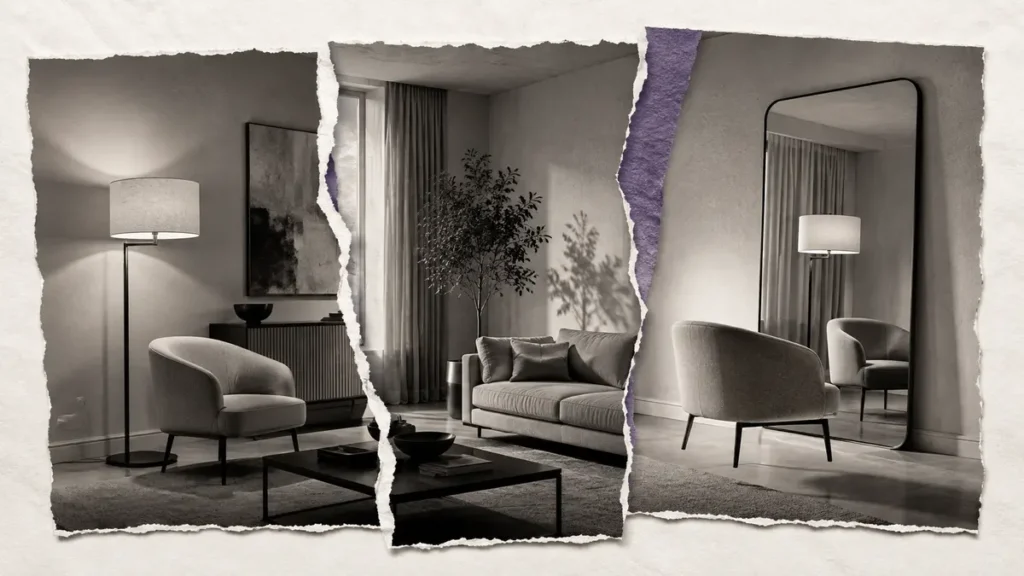
AI Images Looks Perfect—Until You Notice This
HalfJourney Lab explains why polished AI images can still feel subtly unreal even after obvious defects such as malformed hands have improved. The essay argues that viewers unconsciously detect missing physical causes: light, shadows, reflections, gravity, material response, wear, and object interactions fail to share a coherent history. Generators optimize plausible pixels and style, but may not model the chain of events that would have produced the photographed scene.
Opens on medium.com · Curated by GlobeRead
GlobeRead's Take
Generative images have crossed an important threshold: many no longer fail through spectacular anatomy or unreadable text. Their remaining weakness is quieter and more revealing. A picture can be sharp, tasteful, and locally convincing while the scene as a whole feels as though it never happened. That gap matters for advertising, journalism, design, and trust.nnThe essay locates the uncanny feeling in causal coherence. Real photographs contain consequences: a light source creates consistent illumination and shadow; weight compresses fabric; contact changes posture; weather leaves wear; reflected objects occupy matching geometry. Viewers do not consciously calculate every relationship, but visual perception has learned the regularities of a physical world. When an image supplies an effect without a plausible cause, the brain registers conflict before language identifies it.nnGenerative systems are exceptionally good at statistical appearance. They can reproduce the texture of cinematic lighting, expensive lenses, skin, fog, metal, or editorial colour grading because those patterns recur across training images. Yet combining attractive patterns does not guarantee a single underlying event. A reflection can suggest another room, highlights can imply incompatible lights, or pristine materials can appear inside a supposedly weathered environment. Perfection itself becomes suspicious when nothing bears the trace of use.nnWe picked this analysis because it gives creators a better quality test than hunting for extra fingers. Designers, photographers, marketers, and anyone generating images for publication should ask what happened immediately before the imagined shutter clicked and whether every visible detail agrees. The next frontier in believable AI imagery may not be greater beauty, but evidence that the scene has a past. For GlobeRead’s own visual work, this is a particularly useful standard: editorial polish should never outrun physical logic. A convincing image needs believable contact, lighting, scale, and wear before extra sharpness or dramatic colour can add genuine credibility.
We curate the internet's most interesting articles — science, psychology, history, philosophy and more. Always free, no algorithm.