Book Review: Cancer and Caregiving in 'Heart the Lover' by Lily King
A critical review analyzing Lily King's novel 'Heart the Lover' through the lens of medical humanities, focusing on cancer, caregiving, and relational dynamics. The piece explores how King's narrative depicts the complex emotional, psychological, and physical burdens borne by family caregivers, examining the strain on romantic intimacy, the medicalization of domestic life, and the quiet resilience required when facing chronic terminal illness within a household.
Opens on medicalhealthhumanities.com · Curated by GlobeRead
GlobeRead's Take
Modern healthcare systems routinely focus on clinical interventions, laboratory metrics, and pharmaceutical protocols, often completely ignoring the quiet domestic reality where the true burden of illness is actually borne. When a life-altering diagnosis enters a home, family members are suddenly thrust into unpaid, emotionally grueling roles for which no formal medical training can ever prepare them. Examining this perceptive review provides a vital humanistic counterweight to cold clinical literature, shedding light on the unglamorous emotional mechanics and unspoken psychological costs of long-term domestic caregiving in contemporary society.
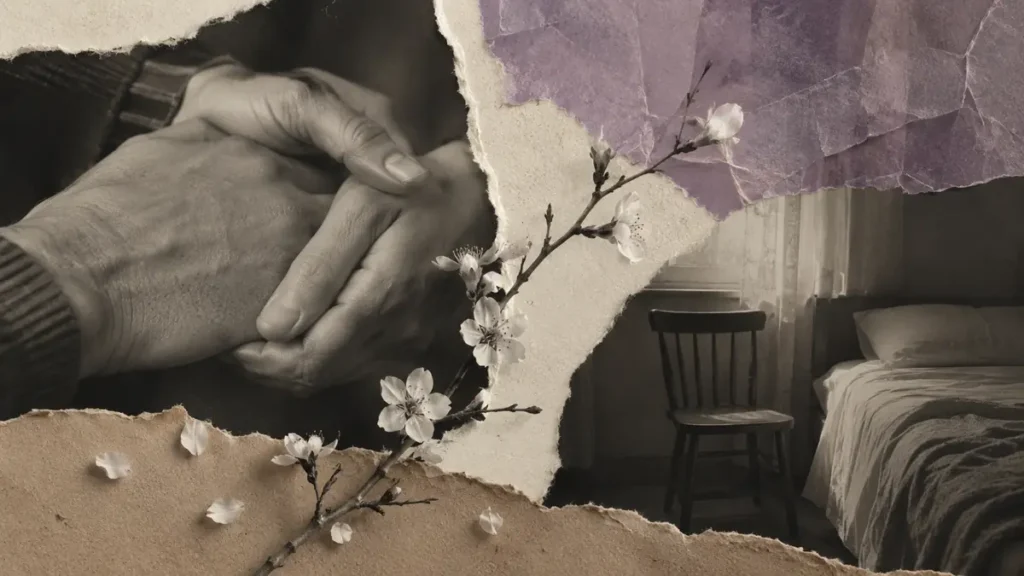
A central insight from the critique focuses on how chronic illness fundamentally reconfigures the delicate balance of romantic intimacy, turning life partners into clinical caretakers. As daily domestic routines slowly dissolve into strict medication schedules, physical assistance, and endless hospital visits, romantic affection is frequently displaced by quiet resentment, physical exhaustion, and mutual guilt. The review highlights how Lily King captures this quiet erosion of partnership without judgment, revealing how deep love and profound caregiver fatigue continuously coexist within the exact same domestic space.
Furthermore, the analysis emphasizes the profound psychological isolation that accompanies watching a loved one deteriorate in plain sight every single day. Family caregivers must constantly navigate a heavy double burden: processing their own anticipatory grief while maintaining a stoic, supportive facade for the patient. By highlighting these complex interior struggles, the text reveals how medical crises extend far beyond the physical body of the patient, subtly transforming the mental health, daily identity, and emotional trajectory of everyone living under the same roof.
We chosen this piece because it offers a deeply empathetic, intellectually sharp bridge between narrative fiction and health humanities, making it a compelling read for healthcare professionals, literature lovers, and anyone who has ever cared for a sick relative. It provides a rare, deeply validating mirror for those navigating the invisible emotional fatigue of home caregiving. What happens to our most intimate human relationships when love is forced to express itself primarily as a relentless medical duty?
We curate the internet's most interesting articles — science, psychology, history, philosophy and more. Always free, no algorithm.