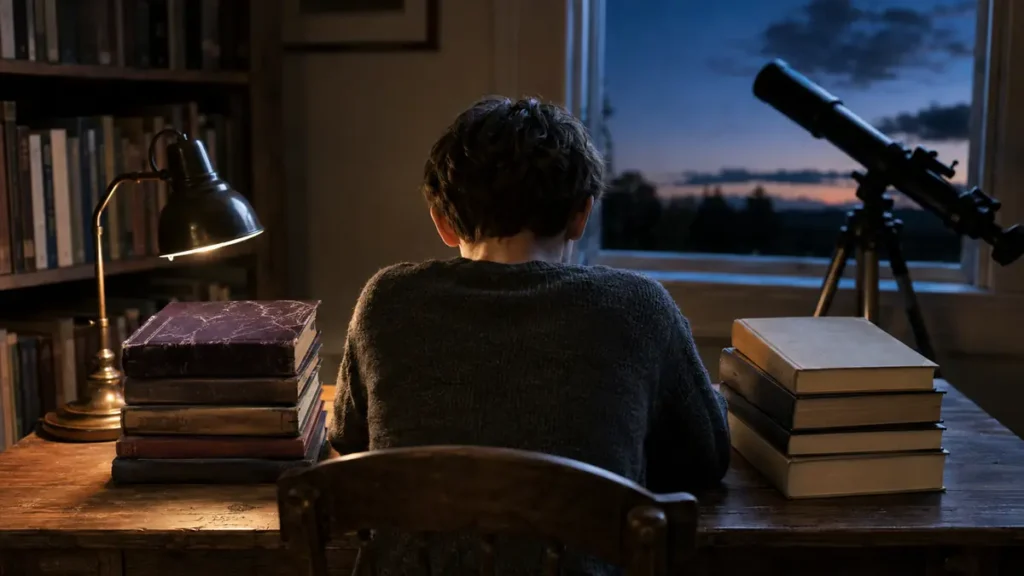
If I Could Travel Back in Time: What I'd Tell My Younger Self About Reading Science Fiction
A nostalgic and retrospective essay reflecting on a lifetime of reading science fiction. The author outlines key reading advice for younger readers, emphasizing the value of pursuing foundational classics, embracing speculative ideas, avoiding elitist canon snobbery, and recognizing how genre fiction cultivates long-term intellectual curiosity and open-mindedness. This piece offers essential perspective for contemporary readers.
Opens on classicsofsciencefiction.com · Curated by GlobeRead
GlobeRead's Take
Literary genres are frequently subjected to rigid cultural hierarchies that dismiss speculative fiction as escapist pulp while elevating realistic literature as the sole domain of serious thought. Yet science fiction has long served as humanity's premier myth-making engine, training generations of readers to contemplate radical technological, social, and philosophical futures. Reflecting on a lifetime of reading speculative literature offers a heartwarming, highly practical defense of genre reading. Learning to analyze these underlying dynamics allows us to navigate modern choices with far greater clarity, agency, and purpose.nnA central insight emphasizes reading for intellectual wonder and conceptual expansion rather than superficial canon compliance or literary prestige. Younger readers often fall into the trap of reading what they feel they ought to like, rather than following their genuine curiosity into obscure, mind-bending paperbacks. Science fiction excels when it shocks the reader into realizing that current societal arrangements are merely temporary historical anomalies. This key insight challenges conventional assumptions and forces a deeper, necessary re-examination of how we structure our daily habits.nnAdditionally, the essay highlights how reading speculative fiction across decades builds a unique historical perspective on human optimism and anxiety. Tracking how past generations imagined the 21st century reveals far more about their immediate fears and hopes than it does about our actual present. Science fiction is ultimately a mirror of the era in which it was written, capturing humanity's evolving relationship with the unknown. Furthermore, understanding this secondary dimension helps us avoid common cognitive traps and build long-term personal resilience over time.nnWe chose this delightful retrospective reflection for its warm literary wisdom, nostalgic charm, and passionate advocacy for lifelong self-education through reading. It is a comforting read for book collectors, sci-fi fans, and lifelong readers auditing their own literary journeys. What genre or author did you dismiss in your youth that might hold the exact perspective shift you need today? Engaging with these ideas provides a powerful catalyst for personal growth, critical thinking, and intellectual curiosity.
We curate the internet's most interesting articles — science, psychology, history, philosophy and more. Always free, no algorithm.