If you’re first out the door, it’s not called panicking
The article explores four scenarios for Trump’s economic strategy, ranging from good strategy with poor execution to bad strategy with strong execution.
It examines proposals like deficit reduction (“3/3/3”), tariffs, and managing the US dollar’s global dominance, analyzing both potential and pitfalls.
Execution challenges, political constraints, and reflexive economic feedback loops are highlighted as major risks.
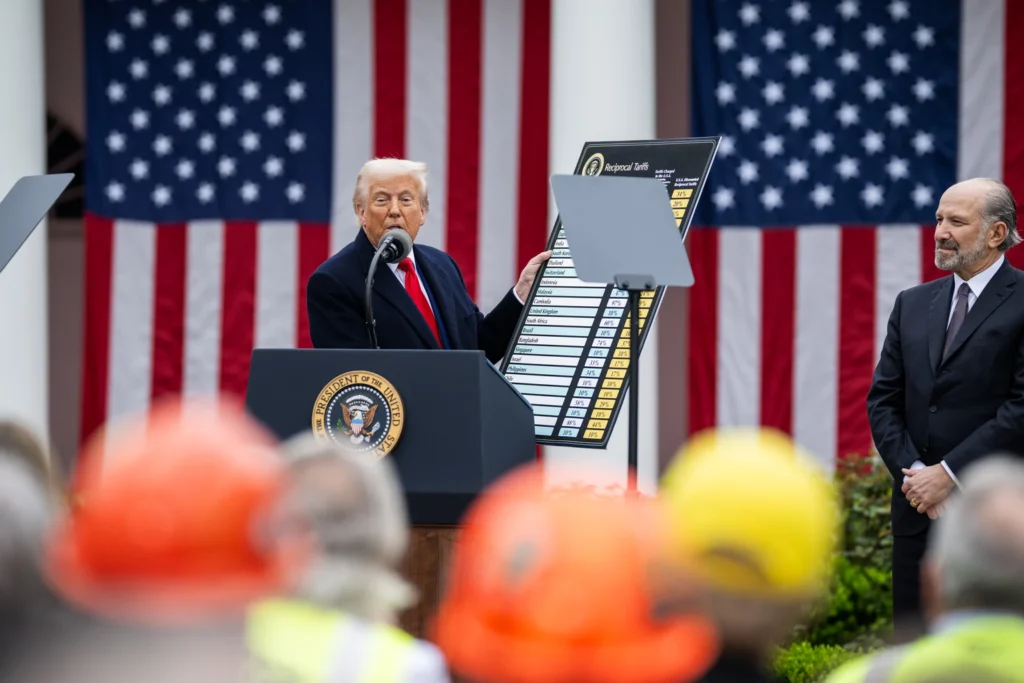
Some strategies, like tariffs, appear costly and disruptive, while other approaches aim to reshape global financial leverage.
The piece emphasizes uncertainty, mixed signals from markets and Congress, and the limits of short-term interventions.
Ultimately, it presents a structured framework to interpret complex political-economic maneuvers without offering investment advice.
Opens on alexdanco.com · Curated by GlobeRead
We curate the internet's most interesting articles — science, psychology, history, philosophy and more. Always free, no algorithm.