Review: The Correspondent by Virginia Evans
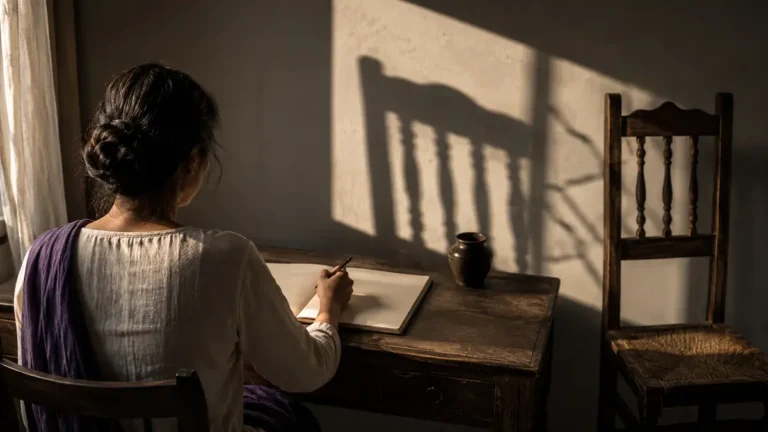
"The Correspondent" by Virginia Evans is a poignant epistolary novel centered on Sybil Van Antwerp, a seventy-three-year-old retired lawyer who communicates with the world primarily through written letters. Spanning a decade, the narrative unfolds through her correspondence with friends, family, famous authors, and unsent notes to a mysterious figure from her past. As her vision fails, Sybil is forced to reckon with old griefs, strained family dynamics, and a slowly unwinding life.
Opens on bookclubchat.com · Curated by GlobeRead
GlobeRead's Take
We live in an era dominated by fleeting text messages, emails, and ephemeral digital exchanges that rarely leave a lasting emotional footprint. Against this backdrop, Virginia Evans’s exploration of written correspondence feels like a radical pause, asking us to reconsider the permanence and intimacy of how we communicate. This review sheds light on a quiet yet profound narrative that champions the deliberate, thoughtful act of putting pen to paper, revealing the deep emotional currents that such a dedicated practice can unearth over a lifetime.
One of the most compelling aspects of the book highlighted in this critique is the psychological utility of maintaining distance through formalized communication. Sybil, the central character, uses her letters not just to reach out, but also to carefully curate her vulnerability, building a fortress of beautifully crafted sentences that protect her from the raw immediacy of real-time interactions. The story illustrates how the written word can serve as both a vital bridge to others and a sturdy shield for our own unresolved grief, allowing us to process complex feelings at a safe, controlled remove.
The review also points out the nuanced depiction of aging and delayed self-awareness that gradually unfolds over a decade of detailed letters. Rather than relying on sudden, dramatic plot twists, the emotional weight accumulates slowly as Sybil is forced to confront her failing eyesight and a haunting tragedy from her distant past. Through heartbreaking unsent letters addressed to a ghost from her history, we see how confronting long-buried truths can completely unravel carefully constructed facades, ultimately paving a painful but necessary path toward self-forgiveness.
This piece stands out because it goes beyond a standard book critique to examine the broader human need for genuine connection and lasting legacy. Readers seeking a deeply introspective, character-driven story about the intersection of aging, lingering regret, and the undeniable healing power of storytelling will find immense value in this exploration. Could the very letters we refuse to send out into the world be the exact ones that finally set us free?
We curate the internet's most interesting articles — science, psychology, history, philosophy and more. Always free, no algorithm.