The 7 Biggest Mysteries of the Human Body
Natalie Wolchover presents seven unresolved questions about human biology, including why chimpanzees are stronger, why most people favor one hand, why humans have permanently enlarged breasts and pubic hair, how resident microbes affect us, whether the appendix has immune or microbial functions, and how neural connections produce consciousness. The explanations compare competing evolutionary and physiological hypotheses.
Opens on www.livescience.com · Curated by GlobeRead
GlobeRead's Take
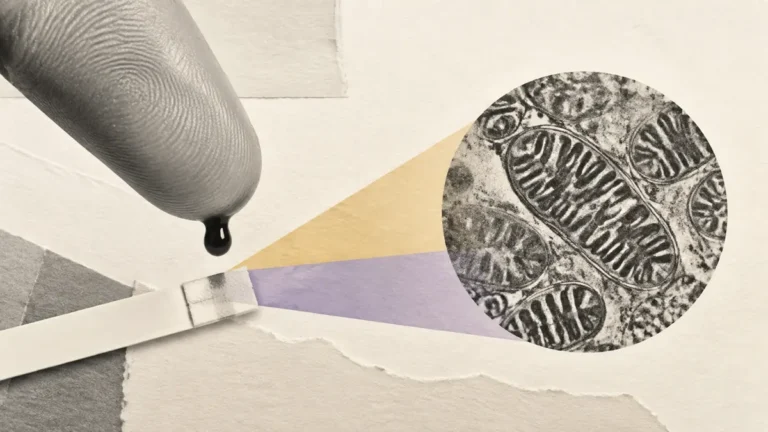
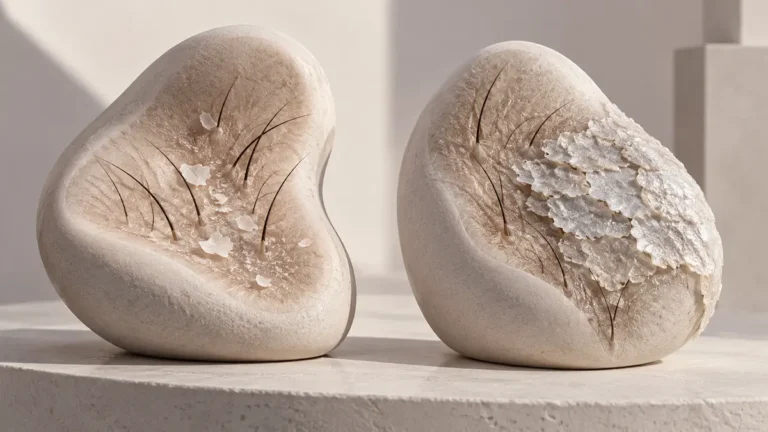
A list of bodily mysteries from 2012 is also a useful lesson in how science ages. Some questions remain genuinely open, while particular numbers and favored explanations shift as better evidence arrives. That does not make the older account disposable. It reveals the difference between a durable problem and a temporary answer, a distinction readers need whenever confident headlines surround an evolving field.nnSeveral mysteries expose evolution’s habit of modifying existing structures rather than designing organisms from scratch. Humans and chimpanzees have similar-looking muscles yet strikingly different strength, inviting questions about fiber density and attachment geometry. Handedness appears connected to the brain’s lateral organization, but speech dominance does not line up neatly enough to close the case. Permanently enlarged breasts and pubic hair generate competing proposals about infant energy, sexual signaling, scent, warmth, and friction. Each trait can plausibly serve more than one function.nnThe microbiome and appendix examples challenge the label “useless.” The body supports vast communities of microbes that participate in digestion, immunity, and health, although the article’s old microbe-to-human-cell ratio should be read as a period claim rather than a settled count. The appendix, long treated as an evolutionary leftover, may help immune development or shelter beneficial gut bacteria after severe intestinal disruption. The final question then jumps scales entirely: how physical neural connections generate subjective awareness, the felt sense of being a self.nnWe picked this feature because its curiosity survives even where details require updating. It suits readers who enjoy evolutionary puzzles and anyone learning to separate hypotheses, evidence, and scientific consensus. Reading it critically is part of the pleasure: the unresolved body becomes a record of both biological history and changing knowledge. That tension makes the list unusually instructive today. Which familiar organ or trait will look least mysterious after the next decade of research?
We curate the internet's most interesting articles — science, psychology, history, philosophy and more. Always free, no algorithm.