Why Safety Reforms Still Fail Women in India’s Cities
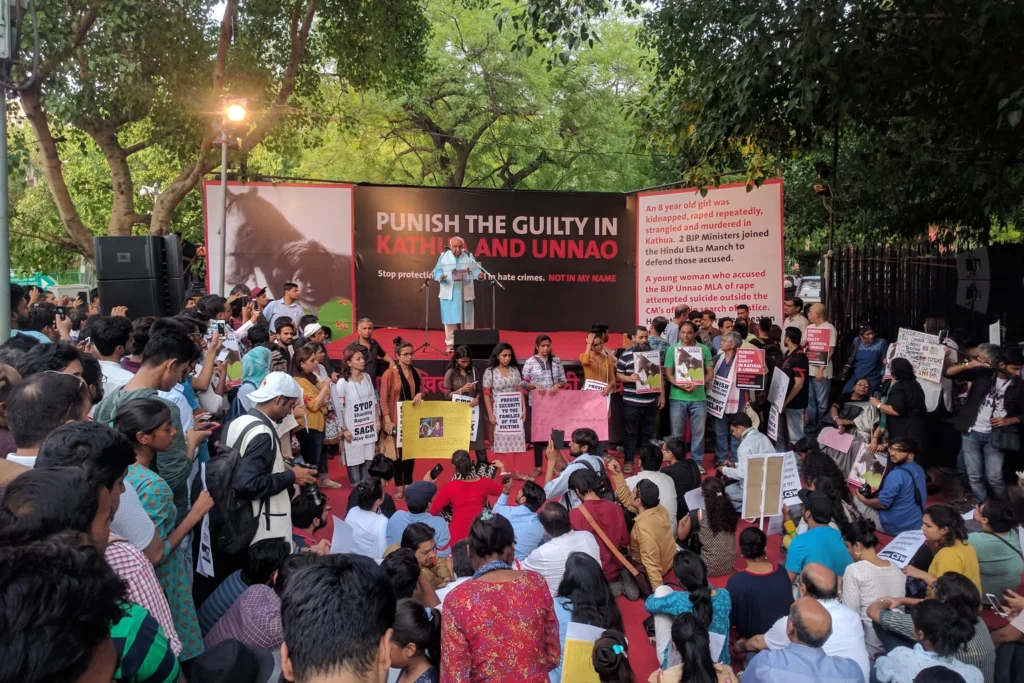
Murali Krishnan reports how several alleged sexual assaults, including the gang rape of a 17-year-old in a New Delhi park, renewed protests and fear over women’s safety in India. More than 80 rapes are reported daily, while many cases go unrecorded. Students, advocates, police experts, and lawyers point to unsafe public spaces, patriarchal attitudes, weak investigations, forensic delays, and uneven enforcement despite tougher laws introduced after 2012.
Opens on www.dw.com · Curated by GlobeRead
GlobeRead's Take
Public safety is often discussed as a policing problem after violence has already occurred. The accounts gathered here reveal a wider failure: women must continuously calculate whether a park, road, campus, or late journey is safe enough to enter. When that private risk assessment becomes routine, equal access to a city exists in law but not in daily experience.nnThe article’s most important shift is from individual incidents to systems. After the New Delhi park assault, officials promised more lighting, patrols, and a women-led “Pink Force.” Those measures may reduce immediate risks, yet advocates describe safety through a fuller urban framework: clear walkways, reliable transit, active streets, vendors, visible security, and the ordinary presence of other women. A well-designed public space does not eliminate violence, but it changes the conditions that allow isolation and impunity.nnAccountability also weakens after a report is made. Criminal lawyer Rebecca John points to cases not being registered, poor evidence seizures, badly recorded witness statements, and forensic delays in a country with limited laboratory capacity. Those procedural failures help explain why tougher penalties alone have not delivered confidence. Law can announce seriousness, but justice depends on thousands of less visible actions being completed competently and without treating a complainant as suspect.nnWe selected this report because it connects fear, infrastructure, social attitudes, and institutional capacity instead of reducing the issue to one brutal crime. Readers interested in gender, urban policy, policing, or India will see why reform must extend from street design to courtroom evidence. The reporting is difficult, but the voices of students and specialists keep the focus on agency rather than spectacle. It also gives readers concrete standards by which official promises can be judged after public attention moves elsewhere. What would a city look like if women’s freedom of movement were treated as its basic performance test?
We curate the internet's most interesting articles — science, psychology, history, philosophy and more. Always free, no algorithm.