Why the Griffin Became Mythology’s Ultimate Guardian
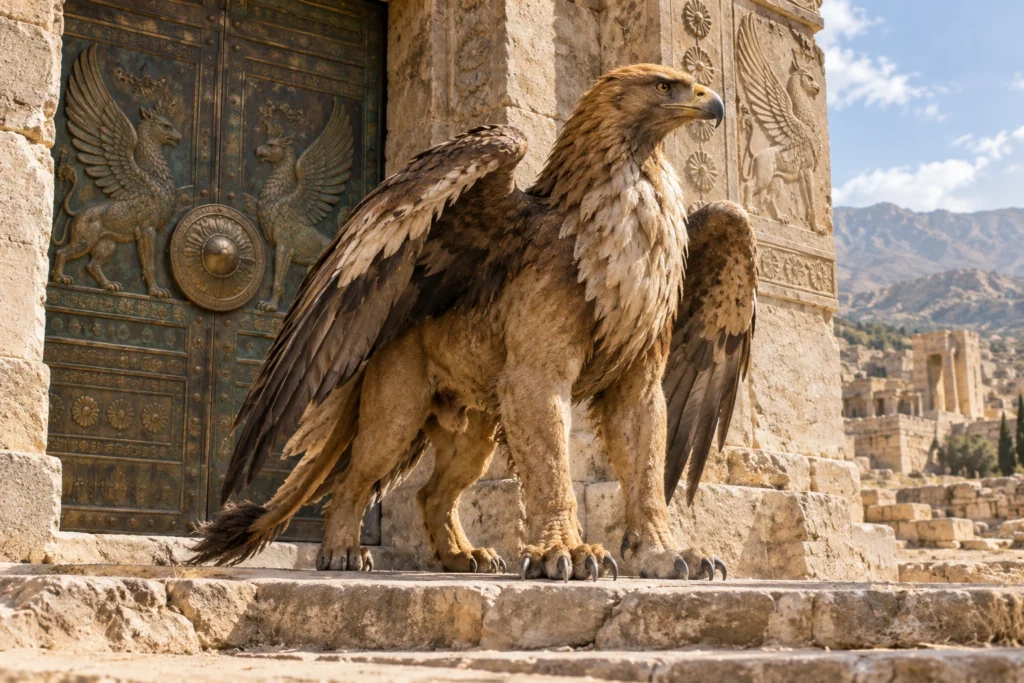
The griffin is traced from early Mesopotamian and Persian imagery into Greek literature, medieval heraldry, architecture, and modern fantasy. The page explains how its lion body and eagle head joined earthly strength with command of the sky, making it a guardian of treasure and sacred places. It also compares griffins with sphinxes, lamassu, dragons, and other hybrid beings, citing artifacts from Iran, Greece, Central Asia, and Egypt.
Opens on mythicalcreaturesandbeasts.com · Curated by GlobeRead
GlobeRead's Take
Hybrid creatures endure because they let cultures combine powers that nature keeps separate. The griffin is especially revealing: it joins two animals already treated as sovereign, then gives that composite being a job. Across centuries, its recurring role as guardian shows how societies turn imagination into a language for authority, danger, and the boundary between the ordinary and the sacred.nnIts geographical movement is as important as its anatomy. Lion-bodied, eagle-headed figures appeared in Mesopotamian and Persian art before reaching Greek culture through trade and travel. Herodotus placed gold-guarding griffins in distant Scythia, where tales may have mingled with reports of fossils found near mining regions. Whether or not bones inspired the legend, the route matters: myths do not simply belong to one civilization. They absorb objects, rumors, and symbols as people move between worlds.nnThe creature’s meaning also changed without losing its central function. At Persepolis, winged lion-eagles reinforced royal power; on Greek helmets, griffin forms suggested martial courage; in medieval Europe, the animal moved onto shields and cathedral entrances as a sign of vigilance and faith. The comparison with dragons makes the pattern clearer. Both guard treasure, but dragons often hoard for themselves, while griffins protect something entrusted to them. That moral distinction helps explain why later fantasy can cast the griffin as a noble ally or mount rather than merely another monster to defeat.nnWe chose this overview because it connects archaeology, symbolism, and popular culture without treating myth as a museum piece. Readers of history, fantasy, visual art, or folklore can see how one image survives by being repeatedly reinterpreted. The page is particularly useful as a map of motifs to follow into primary sources, even when some of its broad claims invite further checking. What does a culture reveal when it imagines not the treasure, but the creature worthy of guarding it?
We curate the internet's most interesting articles — science, psychology, history, philosophy and more. Always free, no algorithm.