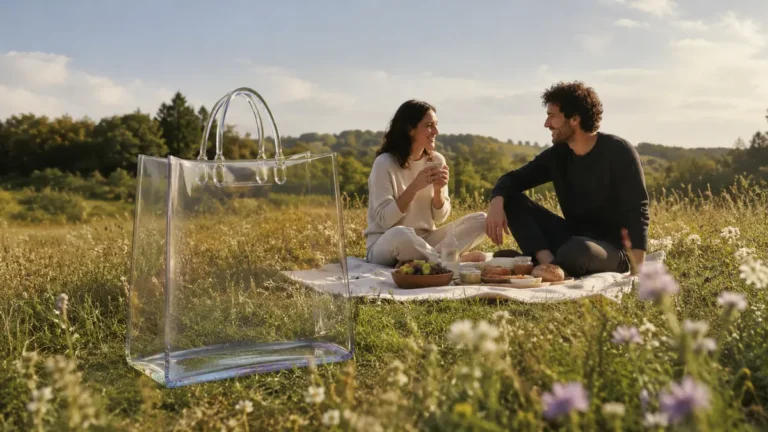
Being Calm Will Make You More Attractive
Bridget Webber's March 2026 essay argues that regulated emotional calmness — not performed composure, but genuine nervous-system regulation — is one of the most socially attractive qualities a person can develop. The piece covers what physiological and psychological calmness actually looks like, why anxious or dysregulated people repel the very things they are trying to attract (partners, opportunities, confidence), why calmness and confidence are deeply intertwined, and practical paths to developing a calmer baseline.
Opens on medium.com · Curated by GlobeRead
GlobeRead's Take
The self-improvement conversation about attractiveness has spent so much of the last decade on external signals (status, looks, communication skills) that it has underinvested in the interior quality that most consistently produces those signals without being performable. Webber's essay is interesting because it centres the nervous system rather than the behaviour — not 'act confident' but 'become regulated enough that confident action is your default.'nnThe first key argument is the stop-chasing mechanism. Webber observes that anxious people, because of their underlying dysregulation, broadcast a quality that social environments read as scarcity and desperation — not through deliberate communication but through the texture of their behaviour: the need for reassurance, the difficulty sitting with silence, the tendency to overfill pauses, the micro-fluctuations of eye contact and body language that signal an unsettled nervous system. Calm people, by contrast, are not broadcasting need. That absence of broadcast need is experienced by others as something close to mystery. The less you seem to require from a given social situation, the more others find themselves wanting to offer.nnThe second move is the confidence link. Webber's implicit argument is that genuine confidence is not a cognitive stance (believing in yourself) but a somatic one (a nervous system that does not enter fight-or-flight in ordinary social situations). Someone who is fundamentally calm can access the cognitive resources, the humour, the generosity, and the genuine interest in others that make them socially attractive — not as a performance but as a natural consequence of not having those resources hijacked by anxiety. You cannot decide your way to calmness; you have to develop the physiological capacity for it, which means working at the level of the nervous system.nnWe picked this because it re-frames a common psychological question from the outside in to the inside out — useful for anyone who has tried to project more confidence and found the effort self-defeating. The harder question it leaves you with is not whether calmness is attractive but whether your current life is actually designed to produce it.
We curate the internet's most interesting articles — science, psychology, history, philosophy and more. Always free, no algorithm.