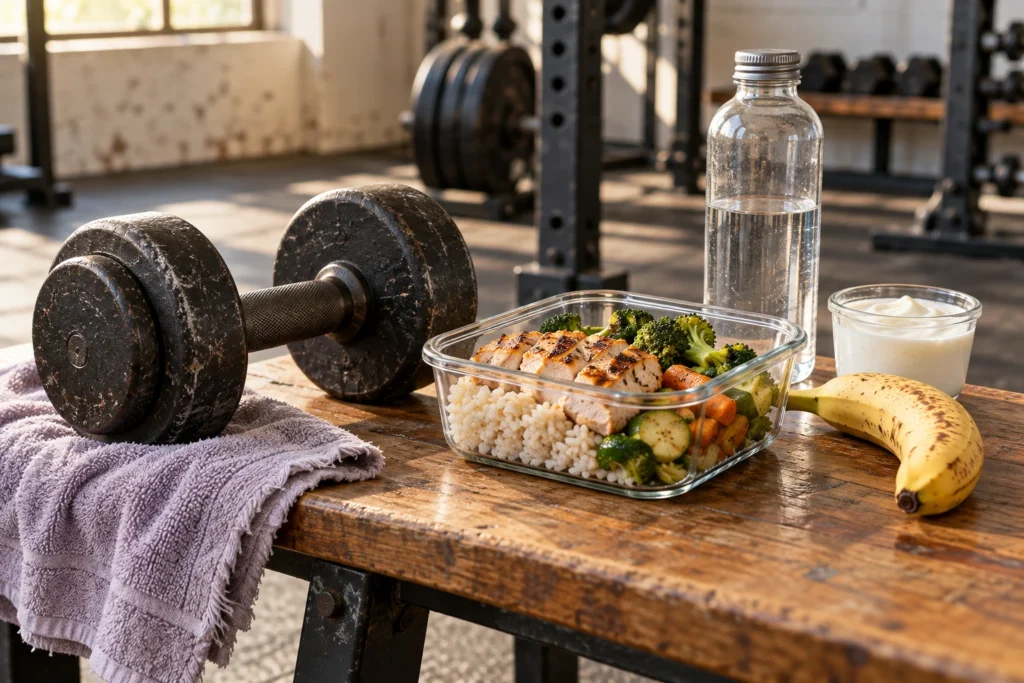
How to Keep Gym Strength While Cutting Calories
Cutting calories can make workouts feel harder when carbohydrate and protein intake falls too far. M. Sanzi and K.D. Moore explain that carbohydrates replenish muscle glycogen for resistance training and other intense exercise, while protein supports recovery and muscle retention during a calorie deficit. They suggest pairing moderate carbohydrates with quality protein before training, timing some daily carbs around workouts, and maintaining hydration, sleep, and recovery.
Opens on www.aol.com · Curated by GlobeRead
GlobeRead's Take
Diet culture often treats the scale as the only scoreboard, while training culture treats every weaker session as a failure of discipline. The more useful question sits between those extremes: can a calorie deficit produce fat loss without quietly dismantling the habits and performance that made someone feel strong? That tension matters because a successful plan must be livable long enough to work, and repeated underfueling can turn an ordinary cut into a cycle of fatigue, frustration, and increasingly poor workouts.nnOne revealing detail is the pattern of performance loss described here. A person may begin a session with respectable strength, then fade as the workout continues because muscle glycogen has not been fully restored. That distinction is valuable: it shifts attention from motivation to fuel availability. Rather than assuming every difficult workout requires more caffeine, more intensity, or harsher self-talk, readers can notice when endurance within the session changes after carbohydrates are reduced. The body is offering information, not issuing a moral verdict.nnThe practical examples also make nutrition timing feel less theatrical. Oatmeal with Greek yogurt, rice with chicken, or a banana with a protein shake are ordinary meals, not specialized performance products. Placing some carbohydrates near training can support useful work without increasing total calories, while steady protein intake protects recovery and muscle maintenance. The larger lesson is about allocation: dieting is not merely subtraction. It is deciding which nutrients are most valuable at which moments, then leaving enough room for sleep, hydration, and recovery to do their quieter work.nnGlobeRead selected this guide for recreational lifters, athletes entering a cut, and anyone whose workouts suddenly feel worse after changing how they eat. Its strength is the refusal to frame leanness and performance as mutually exclusive, while still acknowledging that less available energy has consequences. Readers with medical conditions or highly specific competition goals will need individualized advice, but the diagnostic questions here are widely useful. Before blaming willpower for the next flat session, what might change if you treated performance as feedback about the design of the diet itself?
We curate the internet's most interesting articles — science, psychology, history, philosophy and more. Always free, no algorithm.