Matcha or Coffee? What the Evidence Really Supports
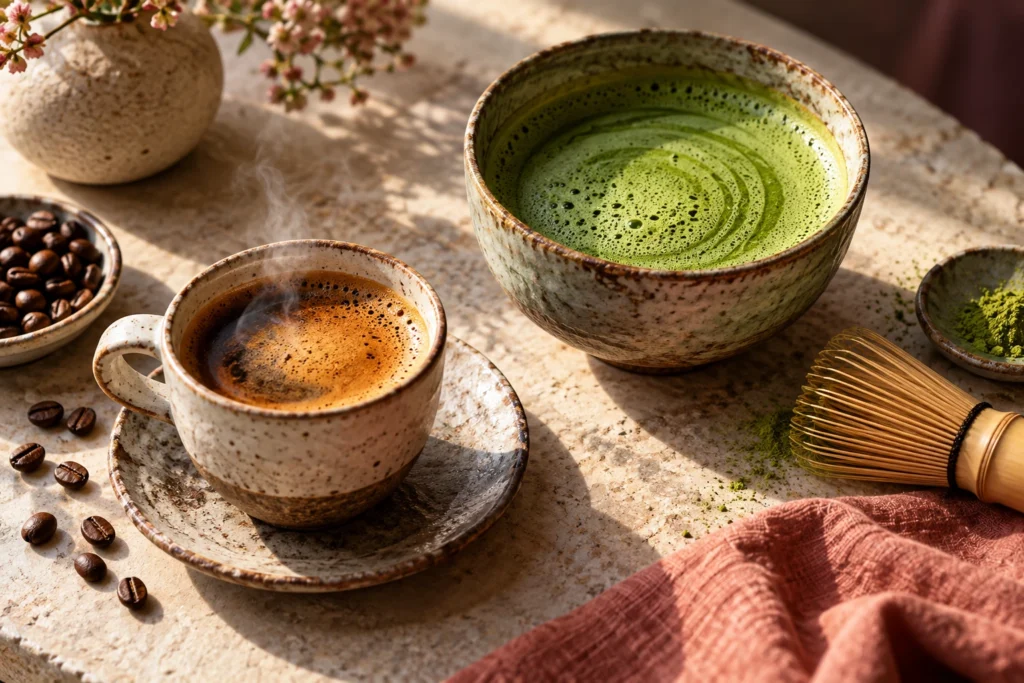
Matcha is shade-grown green tea consumed as a powdered whole leaf, concentrating chlorophyll, amino acids, polyphenols, and caffeine. The article compares its proposed antioxidant and metabolic benefits with coffee, noting that matcha research relies heavily on laboratory or animal studies while coffee has stronger human evidence. It also discusses L-theanine, caffeine sensitivity, reflux, and reduced iron absorption around meals.
Opens on theconversation.com · Curated by GlobeRead
GlobeRead's Take
Wellness culture often turns a beverage choice into a contest with a single winner. Matcha’s color, ceremony, and concentrated composition make it easy to market as an upgrade, while coffee carries both a vast research record and decades of contradictory reputation. The more useful question is not which drink is universally healthier, but what the evidence can support for different bodies, habits, and reasons for drinking it.nnMatcha’s distinctive production matters because the plant is shade-grown before harvest and the entire leaf is consumed as powder. That can deliver more polyphenols and other compounds than steeped green tea, but concentration is not the same as proven benefit. Claims involving inflammation, weight, cancer, cognition, and blood sugar often trace back to cell or animal studies rather than strong clinical trials in people. The gap between biochemical promise and demonstrated outcome is where much superfood enthusiasm gets ahead of itself.nnCoffee offers a revealing comparison. Its associations with cardiovascular health and other outcomes have been studied far more extensively, and three to four cups daily is a commonly cited upper range for most adults. Matcha usually provides less caffeine and contains L-theanine, an amino acid that may soften caffeine’s jittery edge, which can make it a better personal fit. Yet both drinks contain tannins and polyphenols that can impede iron absorption, especially near meals, and both may aggravate reflux or a sensitive stomach.nnGlobeRead picked this comparison because it models a better way to read health claims: separate tradition, mechanism, early evidence, and practical experience instead of blending them into a verdict. It will suit readers deciding whether to change a caffeine habit and anyone learning to evaluate the language of nutrition research. Neither cup needs a halo or a warning label to be useful; context does more work than branding. If the healthier choice depends on the drinker, what would your own evidence look like?
We curate the internet's most interesting articles — science, psychology, history, philosophy and more. Always free, no algorithm.