When Does Wartime Duty Survive a State’s Moral Failures?
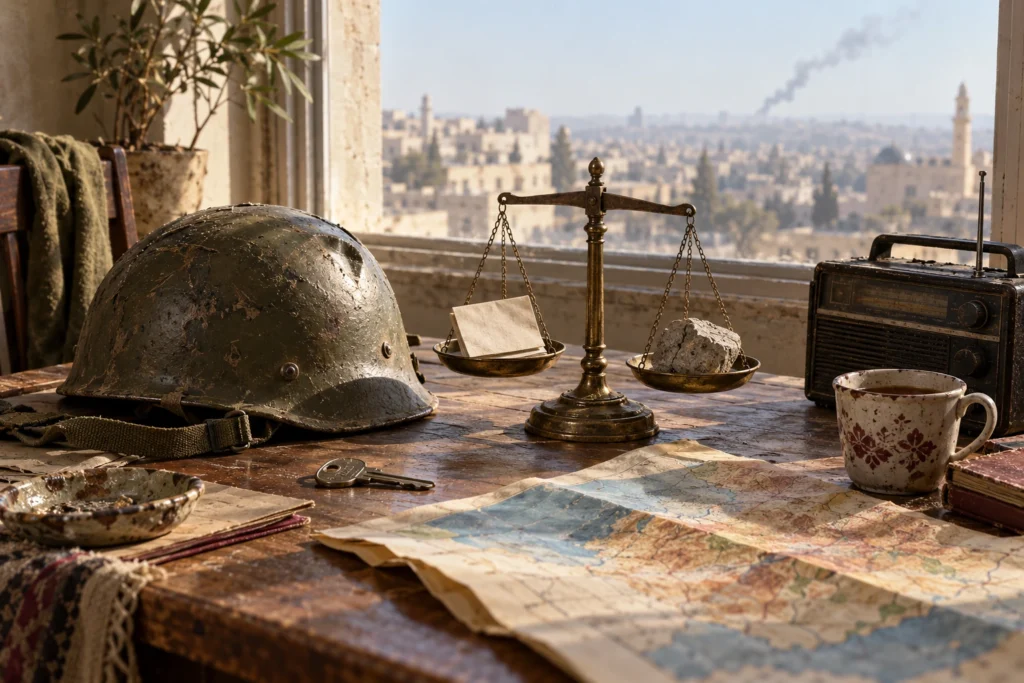
A wartime scene in Iran becomes a dialogue between H.L.A. Hart’s legal positivism and al-Farabi’s political philosophy. Hart’s “Puzzled Man” represents citizens unsure whether coercive laws deserve moral allegiance, while al-Farabi’s “Necessary City” treats collective defense as the basis for survival and future virtue. AmirAli Maleki weighs obedience, conscience, flawed government, and the conditions under which defending a state may remain justified.
Opens on philosophynow.org · Curated by GlobeRead
GlobeRead's Take
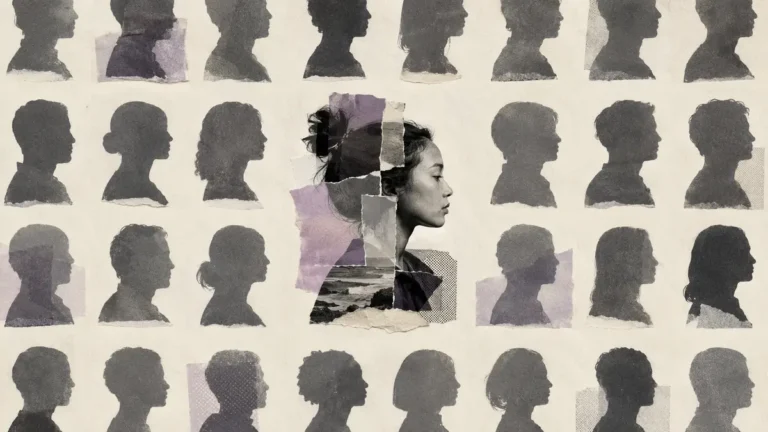
War compresses political philosophy into choices that cannot wait for ideal conditions. Citizens may distrust their government, reject its failures, and still face commands issued in the name of collective survival. That tension matters well beyond any single conflict: democratic accountability, military duty, and personal conscience rarely align neatly when institutions are under threat and intense public pressure today.nnHart’s “Puzzled Man” gives the uncertainty a useful shape. He obeys law without fully accepting the reasons behind it, a position that becomes especially severe when conscription, censorship, or rationing enter ordinary life. The essay’s strength is its refusal to label this citizen simply cowardly or ignorant. Moral disorientation can be a form of engagement: the person is trying to decide whether legal authority still deserves allegiance when economic insecurity and political opacity have weakened the state’s claim to trust.nnAl-Farabi’s “Necessary City” shifts the question from whether the state is virtuous to whether the conditions for any future virtue can survive. Food, safety, territorial integrity, and basic order come before philosophical flourishing. That argument clarifies why someone might defend an imperfect polity without endorsing its leadership. Yet it also creates the essay’s sharpest tension: rulers can always describe danger as existential. Preservation may be a precondition for reform, but invoking preservation can also postpone moral scrutiny precisely when scrutiny is most needed.nnWe selected this essay because it stages a genuine conflict between two kinds of responsibility instead of offering a clean slogan about patriotism or resistance. Readers interested in political philosophy, law, war ethics, or civic duty will find concepts they can test against real choices, while the first-person setting keeps abstraction connected to fear. Its unresolved ending is a virtue: the framework illuminates action without pretending to remove its cost. When survival and legitimacy pull apart, which obligation should speak first?
We curate the internet's most interesting articles — science, psychology, history, philosophy and more. Always free, no algorithm.