Why Trump’s Midterm Strategy Is Alarming Republicans
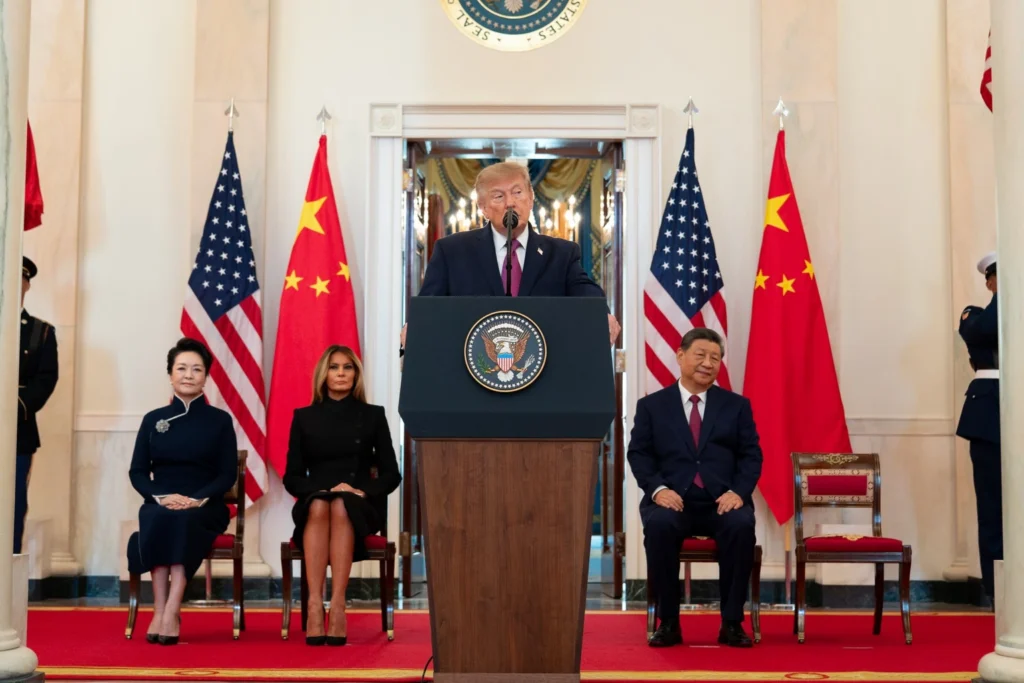
Jonathan Lemire argues that President Trump’s own choices are weakening Republican prospects before the 2026 midterms. He links a failed media spectacle during Xi Jinping’s visit with tariffs, the Iran war, elevated prices, unpopular AI advocacy, and vanity projects. Polls showing 37 percent approval and unexpectedly competitive Senate races frame GOP fears that Trump may depress rather than energize support.
Opens on www.theatlantic.com · Curated by GlobeRead
GlobeRead's Take
Midterm campaigns often turn on a familiar tension: the president is the governing party’s most visible messenger and sometimes its greatest liability. With voting already under way in some states, that tension is no longer theoretical. That makes the stakes unusually immediate. Lemire’s reporting matters because it asks whether a political movement built around one personality can adjust when that personality’s instincts begin colliding with the electoral needs of candidates below him.nnThe opening episode captures the problem in miniature. Trump wanted television cameras to broadcast an elaborate welcome for Xi Jinping, yet his earlier ban on major news organizations prompted networks to boycott the pool rotation. The spectacle disappeared because an impulsive attempt to punish the press undermined his own demand for attention. Whatever readers think of the broader political judgment, the sequence offers a concrete lesson in how tactical retaliation can sabotage strategic goals.nnThe electoral evidence raises a second question about what presidential campaigning can still accomplish. A 37 percent approval rating, heightened concern over prices, and unexpectedly competitive Senate races in states such as Ohio, Iowa, and Texas have made some Republicans uncertain whether a Trump visit helps. Deep-red appearances may energize loyal crowds, but they also suggest caution about harder terrain. Polls can change, and campaign reporting cannot predict a result, yet the article shows how rapidly a party’s assumptions can become vulnerabilities.nnWe selected this report for readers following American politics, campaign strategy, or the relationship between leadership style and institutional survival. It combines insider reporting with a clear thesis, while leaving room to question whether current polling captures late movement or merely a volatile moment. Its value lies in revealing the decisions Republicans are confronting before results make those choices look inevitable. When a party’s strongest symbol becomes its hardest variable, who gets to redefine the campaign?
We curate the internet's most interesting articles — science, psychology, history, philosophy and more. Always free, no algorithm.